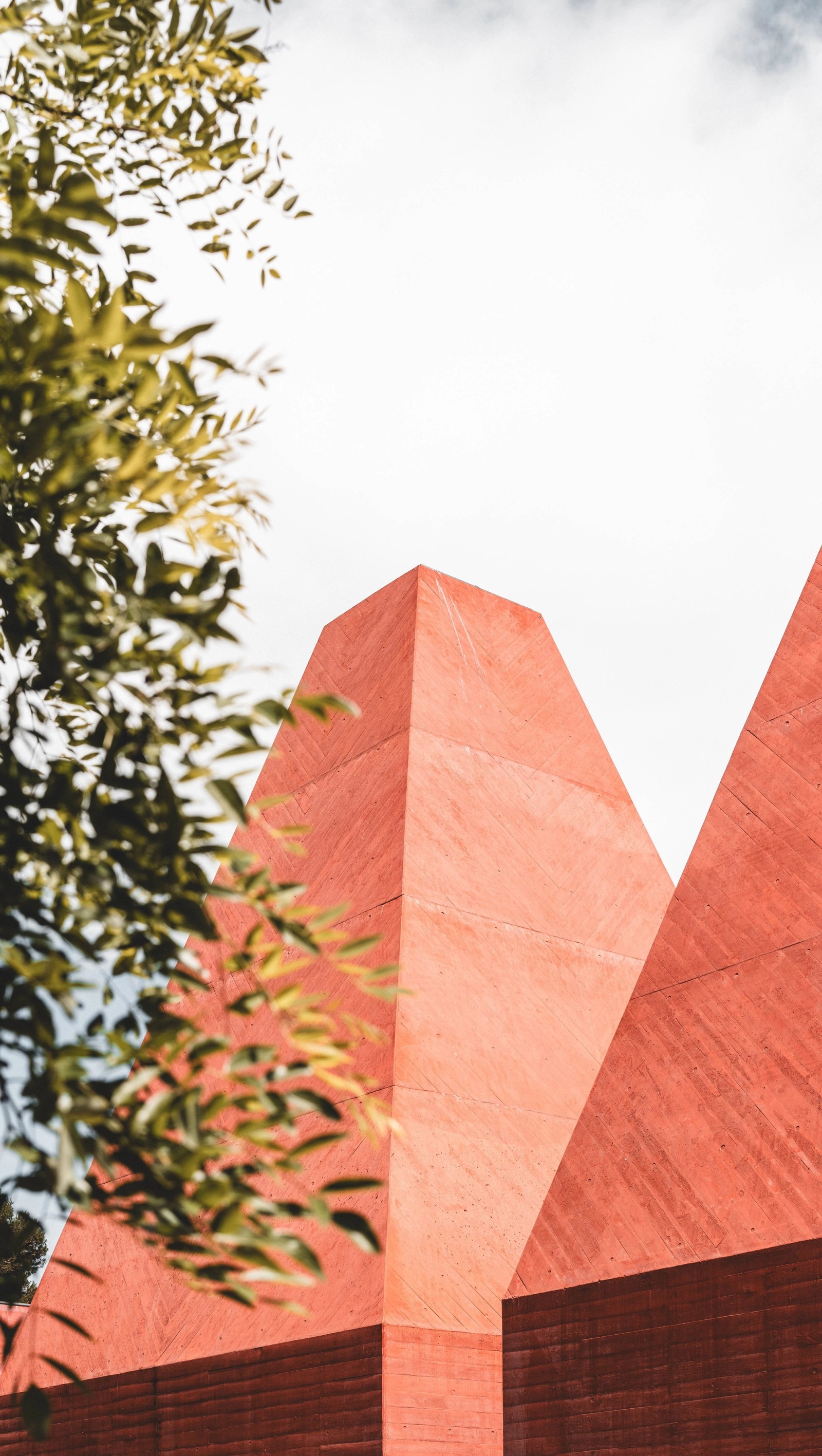
Through My Lens
A journey behind the lens, as seen through the eyes of Jarred Sydney Walker. A perspective where architectural form comes alive through photography.
The world of architecture is a vast and complex realm, encompassing a myriad of structures, designs, and ideas. It is a realm where the tangible and the abstract unite, creating spaces that are not only functional but also aesthetically pleasing and emotionally resonant.
Architecture is much more than bricks and mortar, concrete and glass. It is a reflection of our society, our culture, our values, and our aspirations. A single image can convey the grandeur of a structure, its meticulous details, the space it occupies, and the emotions it invokes.
Architectural photography brings the viewer into the architect's world, providing a unique perspective on the relationship between form, function, and environment.
But architectural photography goes beyond merely capturing static structures. It tells a story, captures a moment, and evokes an emotion.
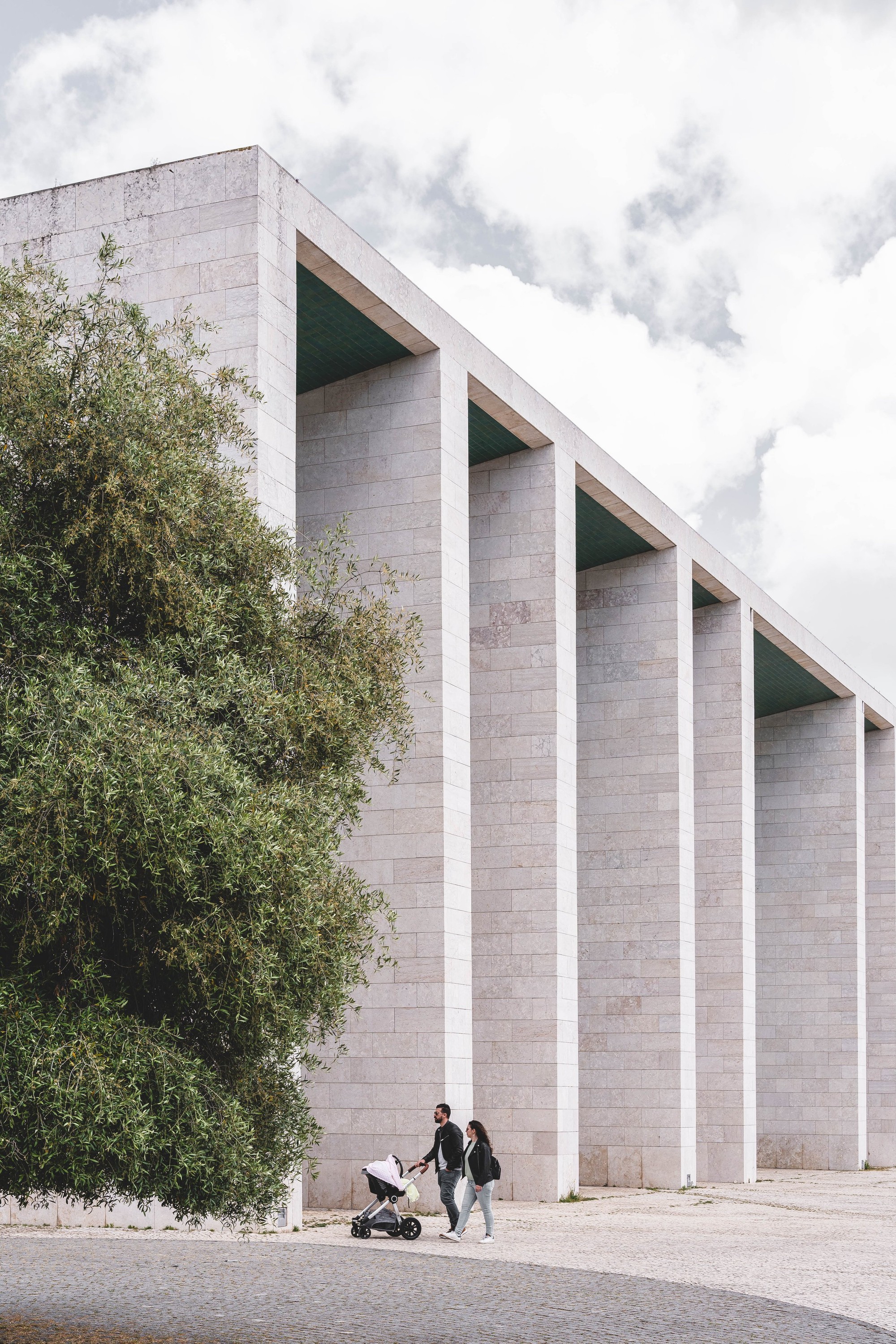
In essence, architectural photography is as much about capturing the spirit of a place as it is about documenting its physical form.
The practice of architectural photography is both an art and a science. It requires a keen eye for detail, a deep understanding of the principles of design and composition.
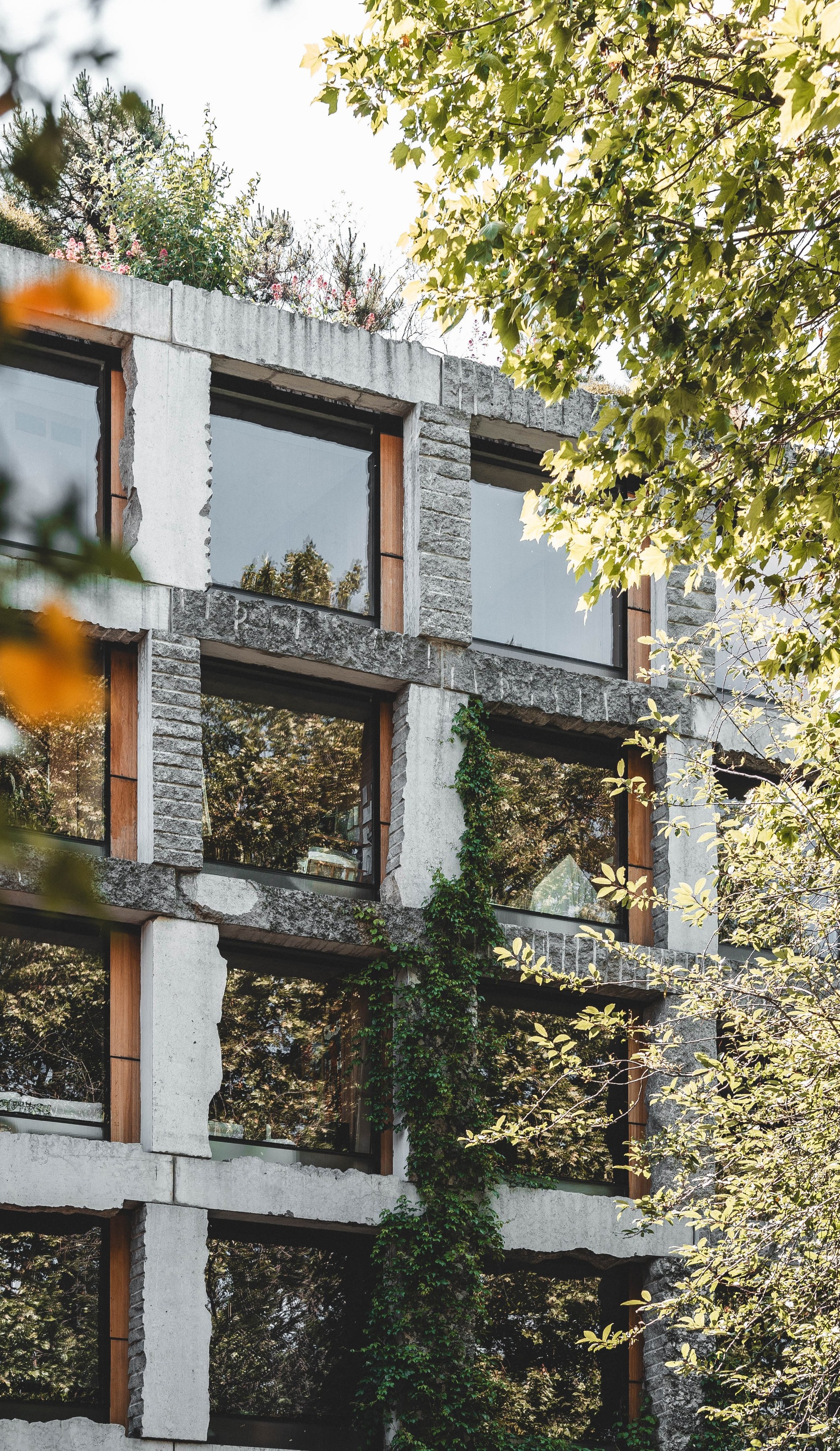
In the hands of a skilled photographer, the camera becomes a powerful tool that can uncover the soul of a building, reveal its character, and tell its story.
As we look through the lens, we see not only structures and spaces, but also the people, the stories, and the experiences that these structures and spaces embody.

As a designer myself, I have found that my background has significantly enriched my perspective in architectural photography. This intimate understanding of design principles has enabled me to capture the essence of architecture with a more discerning eye.
A journey behind the lens, as seen through the eyes of Jarred Sydney Walker. A perspective where architectural forms come alive through photography.